
The global energy market has entered a more difficult phase. Brent crude is trading around $106 a barrel after an extraordinary journey this year, moving from around $63 to as high as $126 before falling back towards $70 and then rising again.
However, crude is no longer the only concern. The bigger pressure is now coming from diesel, LNG, shipping costs and the rising cost of importing energy. For India, this matters because the country imports around 85% of its crude and a large part of its energy supply is exposed to the Middle East.
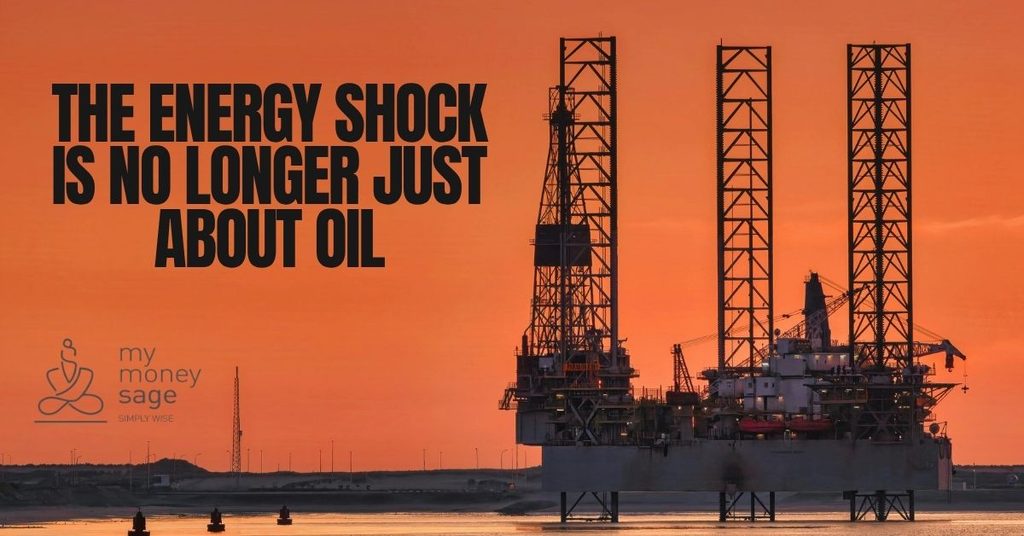
The market has become much tighter
Brent is currently around $105.7 a barrel compared with roughly $70 a year ago. WTI is around $93, while the Indian crude basket had reached $117.4 on 21 September.
The move in refined products has been much sharper. US diesel prices reached a record $6.53 a gallon on 22 September, compared with $3.69 a year ago. European diesel prices are up around 140% this year.
Natural gas is facing a similar problem in Europe. Dutch TTF gas is trading around €72 to €80 per MWh, almost three times the level seen at the start of the year. European gas storage is around 70% full, below the five year average of about 85%, leaving less room for a supply disruption during winter.
This is why the current energy shock is different from a normal oil price spike. The problem is not simply that crude is expensive. Refined fuels, LNG and shipping capacity are also becoming increasingly tight.
Why has the market become so volatile?
The conflict with Iran has disrupted several important energy routes. The Strait of Hormuz, through which roughly a fifth of global oil supply normally passes, has faced repeated disruption.
At the same time, attacks around the Red Sea have reduced the availability of alternative shipping routes. Damage to Saudi Arabia’s East West pipeline in September also affected crude movements and forced a temporary halt in Yanbu loadings.
The result is a market where every headline is moving prices sharply.
Global observed oil inventories have fallen by around 507 million barrels since February. Gulf refined product and LPG exports are still around 60% below February levels. War risk insurance for a tanker travelling through Hormuz has also increased from around 0.25% of the vessel value before the conflict to as much as 3% to 10%.
This means even when crude is available, transporting it has become much more expensive and difficult.
Diesel is becoming the bigger problem
The most important development to watch may not be Brent crude, but diesel.
Gulf diesel exports fell to around 390,000 barrels per day in August, roughly a quarter of pre war levels. Russian product exports have also been disrupted by attacks and export restrictions.
Together, Gulf and Russian diesel exports were around 1.6 million barrels per day below February levels. These regions previously accounted for almost 45% of global seaborne diesel trade.
The US is now also considering a 90 day diesel export ban to protect domestic supply. While the proposal is still being evaluated, any meaningful reduction in US exports could put further pressure on diesel markets globally.
For countries such as India, this is important because a shortage of refined products can hurt even when crude supplies remain available.
Europe faces a difficult gas winter
Europe has another problem. Gas storage is around 70% full going into winter, compared with a five year average of about 85%.
The disruption to Qatar’s LNG supply has made the situation more difficult. The strike on Ras Laffan reduced Qatari LNG capacity by around 17%, and the impact is expected to last well beyond the immediate conflict.
TTF prices briefly touched around €84 per MWh earlier in September before falling on hopes of a diplomatic breakthrough. However, the risk remains that prices move above €100 if the winter is cold and Gulf LNG supplies remain disrupted.
The US remains relatively insulated because its domestic gas market is less connected to global LNG markets. Henry Hub is around $2.90 per MMBtu, while US gas inventories are heading into winter from a much stronger position.
India has absorbed the shock, but the cost is building
India has so far managed to keep retail fuel prices relatively stable. Petrol in Delhi is around ₹102.12 per litre and diesel around ₹95.20. Domestic LPG remains at ₹942 per cylinder.
But this stability is coming at a cost.
The Indian crude basket had reached $117.4, while retail prices have not moved in line with the increase in crude. ICRA estimates that IOC, BPCL and HPCL are losing around ₹530 crore a day, with under recoveries of roughly ₹8 per litre on petrol and ₹9 on diesel.
The impact is already visible in wholesale inflation. August CPI was 4.82%, but WPI inflation was 9.92%. Fuel and power prices under WPI were up 22.93%, while petroleum and natural gas prices were up 34.41%.
This gap is important. A significant part of the energy shock is currently sitting with refiners and the government rather than fully reaching consumers.
The pressure is moving towards inflation and the rupee
India’s economy has remained resilient, with GDP growth of 7.8% in the April to June quarter. However, the energy shock could become more visible in the second half of FY27.
The rupee is around ₹95.6 to the dollar and has weakened nearly 6% this calendar year. Higher crude prices combined with a weaker rupee increase India’s import bill further.
The FY27 budget was prepared assuming crude at around $70 to $75. With Brent spending a significant amount of time well above that level, the fiscal impact could become meaningful.
The RBI will therefore have a difficult decision in October. It had kept the repo rate at 5.25% with a neutral stance in August, but a sustained energy shock could push inflation higher and reduce the room for further monetary easing.
What matters from here
The next few weeks are likely to be more important than the current Brent price itself.
The key factors to watch are whether Hormuz traffic normalises, whether Saudi Arabia can restore Yanbu shipments, whether the US imposes a diesel export ban and how Russian crude flows to India evolve.
For India, the most important indicators are diesel prices, the Indian crude basket, the rupee and any change in government compensation for oil marketing companies.
The base case remains a prolonged period of elevated volatility rather than an immediate economic crisis. But the risk has clearly shifted. What started as a crude oil shock has now become a broader energy supply problem involving refined products, LNG and transportation.
If the conflict eases and energy flows normalise, prices can fall quickly. But if disruptions continue through winter, India will face pressure through inflation, the rupee, the fiscal deficit and corporate margins.
For now, the headline Brent price is only part of the story. The real pressure is building further down the energy chain.
Investors are advised to consult their financial advisors before making any investment decisions. This view does not constitute investment advice.
If you do not have one visit mymoneysage.in